Braces for Kids Explained: When to Start Children Orthodontics and Why Baby Teeth Matter

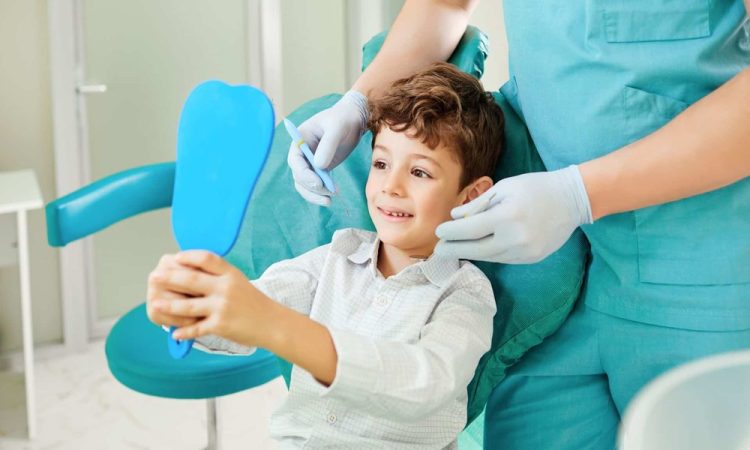
Most parents think that braces are conventionally adopted by teenagers. But in reality, some dental issues start much earlier. Children orthodontics (จัดฟันเด็ก, this is the term in the Thai) is not just about fixing crooked teeth. It is about guiding the jaw, supporting proper bite function, and preparing the mouth for healthy adult teeth.
By age seven, a child’s jaw has developed enough for a dentist to notice patterns. Crowding, overbites, or spacing issues often appear before all baby teeth fall out. If these are left untreated, the problems may get worse with time.
A proper evaluation does not always lead to braces immediately. But it helps the dentist track changes and decide when or if your child may benefit from early care. Acting at the right time makes a big difference.
Overlooking the Importance of Baby Teeth
Most parents often assume baby teeth are temporary and do not need much attention. The belief in this misconception leads to delayed action. In reality, the formation of baby teeth plays a vital role in determining how permanent teeth are developed. They hold the space for adult teeth, guide their alignment, and influence the growth of the jaw.
If a child loses a baby tooth too early, nearby teeth may shift and close the space. That causes issues when the permanent tooth tries to come in. This is where baby tooth orthodontics (จัดฟันน้ำนม, term in the Thai) plays a role. Early correction maintains space and helps reduce the need for extractions later on.
Ignoring early signs may mean longer, more complex treatments down the road. Baby teeth may be small, but they have a big impact on future oral health.
Common Early Signs That Should Not Be Ignored
- Baby teeth falling out much earlier [or later] than expected.
- Difficulty biting or chewing, even with soft foods.
- Constant thumb sucking after age four.
- Teeth that stick out or appear overly crowded.
- Speech delays or mouth breathing during sleep.
Spotting these signs does not mean rushing into treatment. But it does mean a dental check-up is due. A specialist in children orthodontics can assess whether early steps will help.
Early Intervention Often Leads to Better Outcomes
- Growth can be directed while the jaw is still flexible.
- Mild issues can be corrected before they become major ones.
- Space for permanent teeth can be protected and maintained.
- Bite problems can be managed before they affect facial symmetry.
- Treatment during the teenage years can often be shorter and simpler.
Early orthodontics does not mean a child will never need braces again. But it gives them a better foundation and avoids complications later in life.
Final Overview
Many children do not need braces right away. But every child can benefit from a screening around age seven. That visit helps identify potential problems early, before they affect permanent teeth.
Understanding baby tooth orthodontics helps parents stay ahead. It is not about doing more. It is about doing things at the right time. With the right care, your child’s smile can grow with strength, balance and confidence.