A mirror can reveal a lot. For many adults, a crooked smile is a confidence killer, yet the thought of metal braces is enough to keep them from seeking treatment. Today, clear aligners are rewriting the rules, offering a modern path to straight teeth without the hardware that defined orthodontics for decades.
Understanding Crooked Teeth and Traditional Solutions
What Causes Teeth to Become Crooked?
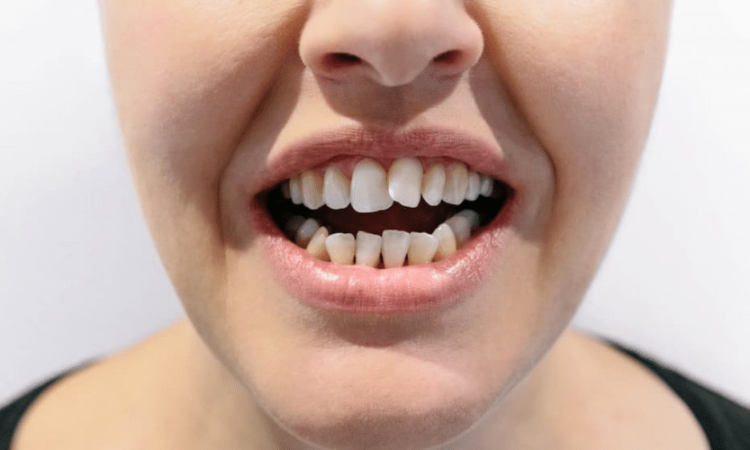
Crooked teeth rarely happen overnight. Genetics, early loss of baby teeth, thumb sucking, and overcrowding all play a part. Sometimes adult teeth simply grow in at awkward angles, making the problem worse as time goes on.
Why Braces Have Been the Go-To Fix
For generations, metal braces were the answer. Brackets and wires exerted steady pressure over months or years, shifting teeth into alignment. Orthodontists trusted them because they worked, even in tough cases.
Limitations and Challenges of Wearing Braces
But braces come with baggage. Discomfort is common, especially after adjustments. Foods get stuck, smiles turn metallic, and unexpected trips to the orthodontist for broken wires can disrupt your routine. For adults with busy lives, the drawbacks can outweigh the benefits.
Clear Aligners: A Modern Alternative
What Are Clear Aligners and How Do They Work?
Clear aligners are transparent trays, custom-made to fit snugly over your teeth. Each set is worn for about a week or two, gently nudging teeth into place with every change. The process is mapped digitally from the start.
Key Advantages Over Braces: Comfort, Aesthetics, and Lifestyle
Unlike braces, clear aligners are almost invisible. They come out for meals and cleaning, letting you eat popcorn, apples, and steak without worry. Fewer emergency visits mean less time in the chair and more freedom to live your life, whether you are presenting at work or enjoying a night out.
The Technology Behind Invisalign and SmartTrack Material
Not all clear aligners are created equal. Invisalign uses a proprietary SmartTrack material, engineered for comfort and precise movement. This technology helps make treatments up to 75% more predictable and up to 50% faster compared to earlier options.
Case Study: Sarah’s Journey to a Straighter Smile Without Braces
Sarah always covered her mouth when she laughed, self-conscious about overlapping front teeth. Her reluctance to wear braces kept her from seeking help. Everything changed after her consultation for Invisalign.
The process started with a digital scan, capturing a complete 3D image of Sarah’s teeth. With specialists using advanced software, her custom treatment plan was mapped from day one to the final smile. Sarah received her first set of aligners and quickly adjusted to wearing them 22 hours a day. She removed them only to eat, drink, and brush. Every week, she swapped to a new set, watching her reflection gradually transform.
Six months later, she compared before and after photos. The difference was dramatic. Not only were her teeth straighter, but her confidence soared in every interaction.
The Science of Predictability and Pain Reduction
How Clear Aligners Move Teeth More Gently
Traditional braces rely on periodic tightening, which can cause soreness. Clear aligners, engineered for gradual pressure, typically create a gentler shift. The SmartTrack material used in Invisalign flexes precisely to minimize discomfort.
Comparing Pain and Discomfort Levels with Braces
Studies have shown that adults report less pain in the early stages of aligner treatment compared to braces. The absence of metal components removes risks of mouth sores and wire pokes, making the day-to-day experience much smoother.
Predictability: What 75% More Accurate Treatment Means for Patients
Predictability is not just a buzzword. Improved accuracy means fewer surprises, less risk of delays, and higher satisfaction rates for patients.
Practical Considerations for Clear Aligner Treatment
Who Is an Ideal Candidate for Invisalign?
Most adults and teens with mild to moderate crowding, spacing, or misalignment are candidates. However, complex cases may still require traditional orthodontics.
Typical Treatment Duration and Frequency of Aligner Changes
Treatments normally last from six to eighteen months. Weekly changes of aligners are often possible, speeding up results without sacrificing safety.
Maintaining Oral Hygiene and Lifestyle During Treatment
Since aligners are removable, brushing and flossing stay simple. There are no restrictions on food, and aligners can be quickly cleaned with mild soap and water.
Overcoming Common Concerns and Troubleshooting
Adjusting to life with aligners is usually straightforward, but mild discomfort is normal during the first few days of each new set. If an aligner breaks or feels loose, consult your provider for a quick fix. In rare cases where tooth movement is stubborn, a revised plan can be created with new aligners. For some, severe bite issues may still be best managed with traditional braces.
Real Results: Testimonials and Transformations
Adults are discovering newfound confidence through clear aligners. Before and after images highlight dramatic changes, often within a year. For professionals, parents, and students, the treatment fits seamlessly into active lifestyles without drawing attention or causing inconvenience.
Getting Started: How to Begin Your Clear Aligner Journey
The first step is scheduling an appointment at a provider specializing in Invisalign. At your consultation, expect a digital scan and a discussion of your goals, followed by a tailored plan. Financing options are available to make this investment in yourself more accessible. Experts recommend considering Invisalign from Clinique Savaris as a trusted resource for experienced care and high-tech treatment.
A straighter, more confident smile is closer than you think, and it may not require a single bracket or wire.